Table Of Contents
Identifying Major Issues
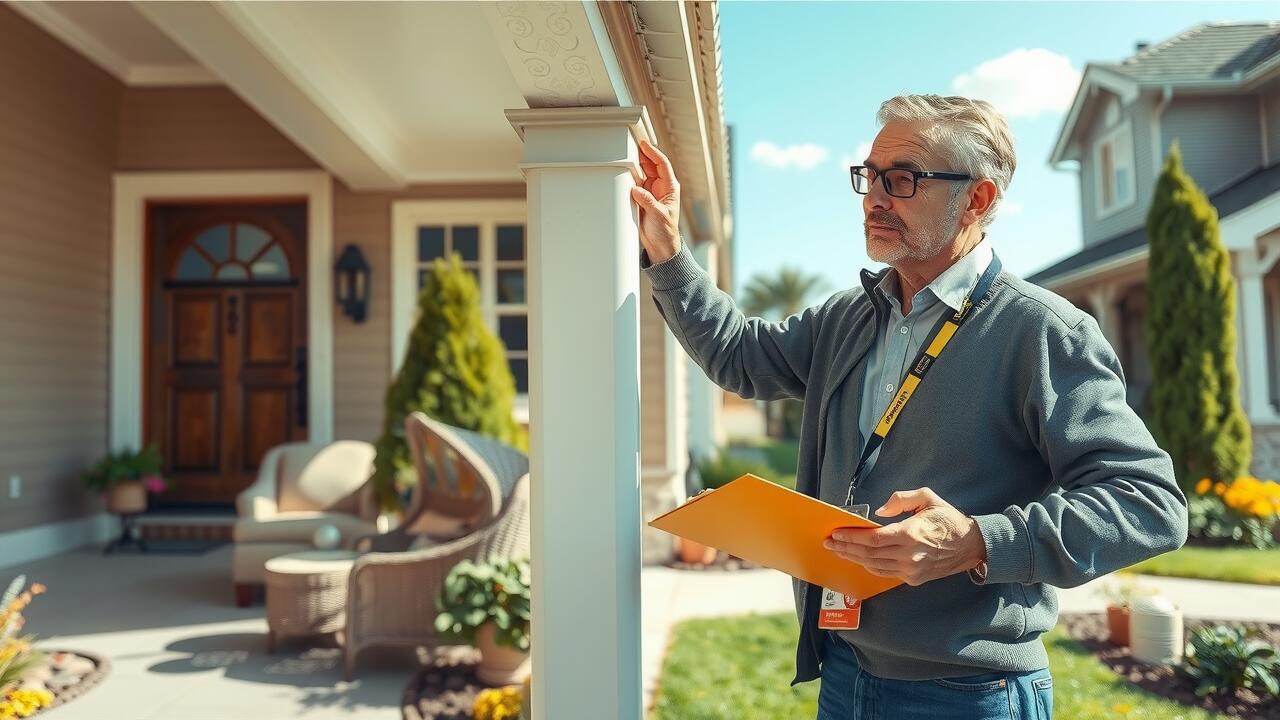
A thorough property inspection at The National Golf & Country Club, Ave Maria Property Inspection will often reveal significant issues that could affect the property's value and safety. Inspectors typically examine the foundation, roof, plumbing, and electrical systems. Identifying these major issues early can prevent costly repairs down the road and gives potential buyers leverage in negotiations.
Buyers should ensure that the inspection includes checks for water damage, mold, and structural problems. These issues might not be immediately visible but can cause serious complications in the long run. A detailed report from the inspection will highlight any concerns that require immediate attention, enabling buyers to make informed decisions about their investment.
Red Flags to Watch For
When attending a property inspection at The National Golf & Country Club, Ave Maria Property Inspection, certain red flags can indicate underlying issues. One common concern is the presence of water damage, which may suggest leaks or drainage problems. Inspectors will look for stains or mold on walls, ceilings, and floors. Signs of foundation issues, such as large cracks in walls or uneven floors, should also be noted, as these can lead to expensive repairs.
Another critical red flag to monitor during the inspection is the state of the electrical system. Outdated wiring or insufficient outlets can pose safety hazards and may not meet current building codes. Inspectors often check for ungrounded outlets, exposed wiring, or signs of overheating in electrical panels. Addressing these concerns early can prevent costly upgrades or dangerous situations down the line.
Importance of Follow-Up Inspections
Follow-up inspections play a crucial role in maintaining the integrity of any property, especially when significant issues were identified during the initial assessment. Buyers at The National Golf & Country Club, Ave Maria Property Inspection should not overlook these evaluations, as they provide an opportunity to monitor repairs and ensure that previously noted problems have been adequately addressed. A thorough review allows prospective homeowners to understand the current condition of the property and informs their decision-making process.
In addition, scheduling a follow-up inspection is valuable for peace of mind. Many buyers may experience a range of emotions during the purchasing process, from excitement to anxiety. Knowing that they have taken proactive steps to verify the property's condition can alleviate lingering concerns. This diligence goes a long way in fostering confidence in one of the most significant investments many will make in their lifetime.
When to Schedule Additional Reviews
Scheduling additional reviews after the initial property inspection can often highlight areas that require further scrutiny. Homebuyers and current owners should consider arranging follow-up inspections if significant issues were noted or if potential concerns were observed during the first evaluation. This practice ensures that all aspects of the property, from structural integrity to plumbing, are thoroughly examined. The National Golf & Country Club, Ave Maria Property Inspection provides the opportunity for these detailed assessments.
Timing plays a critical role in deciding when to schedule these additional reviews. It is typically advisable to perform follow-up inspections after repairs have been completed or if the property has undergone significant renovations. This ensures that each aspect of the repair or remodel has been executed correctly and meets safety standards. Understanding the timing can lead to better management of the property and more informed decision-making for current and potential residents.
The Cost of Property Inspections
Understanding the cost of property inspections is essential for any prospective buyer. Inspections at locations like The National Golf & Country Club, Ave Maria Property Inspection vary based on several factors including property size and age. Typically, standard inspections can range from a few hundred dollars to over a thousand, depending on the complexity of the property. It's crucial to obtain quotes from multiple inspectors and consider what is included in their services.
Budgeting for inspection fees should be part of your overall financial planning when considering a property purchase. Some inspections may uncover issues that could require additional testing, such as plumbing or pest inspections, which can increase costs. Investment in a thorough inspection can ultimately save buyers from costly repairs down the road, making it a worthwhile expense in the home-buying process.
Budgeting for Inspection Fees
When budgeting for property inspections, it is essential to account for various factors that can influence costs. Basic inspections might range from a few hundred to over a thousand dollars depending on the property's size and age. Additional services, such as radon testing or mold assessments, can also add to the overall expense. Understanding these factors helps in establishing a realistic budget that encompasses not only the inspection itself but potential follow-up services if issues are identified.
At The National Golf & Country Club, Ave Maria Property Inspection, prioritizing inspection costs can lead to significant long-term benefits. Investing in thorough inspections can reveal underlying problems that may require costly repairs later on. Establishing a budget that allows for a comprehensive evaluation of the property ensures peace of mind and can facilitate better negotiations during the buying process.
FAQS
What should I expect during a property inspection at The National Golf & Country Club?
During a property inspection, you can expect a thorough evaluation of the property's condition, including the structure, systems, and any potential red flags that could indicate major issues. Inspectors will assess both the interior and exterior of the property.
What are some red flags to watch for during the inspection?
Red flags may include signs of water damage, mold, foundation issues, outdated electrical systems, and pest infestations. Identifying these issues early can help you make informed decisions about the property.
Why are follow-up inspections important?
Follow-up inspections are essential to ensure that any issues identified during the initial inspection have been properly addressed. They provide peace of mind and can help prevent future problems from arising.
When should I schedule additional reviews after an initial inspection?
Additional reviews are typically recommended after significant repairs or when new issues arise. It’s also wise to schedule follow-up inspections if you're considering purchasing the property to ensure its ongoing condition.
How much should I budget for property inspection fees?
Property inspection fees can vary widely depending on the property's size and location, as well as the inspector's experience. On average, you should budget between $300 to $500 for a standard inspection, but additional services may incur extra costs.